
Resources
Blog
Practical notes for investors and sponsors navigating private markets—plus updates from the DealflowBridge team. Articles are original to DealflowBridge; where we reference common industry education themes, the writing is ours and not reproduced from third-party publishers. Nothing here is investment, tax, or legal advice.
 Investor education12 min read
Why private infrastructure keeps showing up in allocator conversations
Long-duration cash flows, real-economy linkage, and a search for diversifiers are driving interest in private infrastructure—here is how to read the theme without confusing marketing for underwriting.
Read article From DealflowBridge14 min read
Introducing DealflowBridge: a clearer path from discovery to sponsor conversations
We built a marketplace where sponsors publish terms and materials up front, investors compare real-asset and private opportunities, and both sides can move forward with less noise and more context.
Read article Investor education14 min read
Where private wealth is moving first: access, cash flow, and the end of “pretend diversification”
Family offices and independent allocators are rebuilding portfolios around what they can underwrite, monitor, and hold—often before they chase the next public-market narrative.
Read article Investor education13 min read
Private assets that power the world: how to read what you actually own
Behind every private allocation is a physical or contractual reality—leases, electrons, tons moved, or invoices collected. Learning to see the stack makes diligence more intuitive.
Read article Founder resources16 min read
How to raise capital for your startup: a practical map of paths, tradeoffs, and preparation
From bootstrapping to angels, institutions, and community access—here is how to think about fundraising as a process you can run, not a lottery you hope to win.
Read article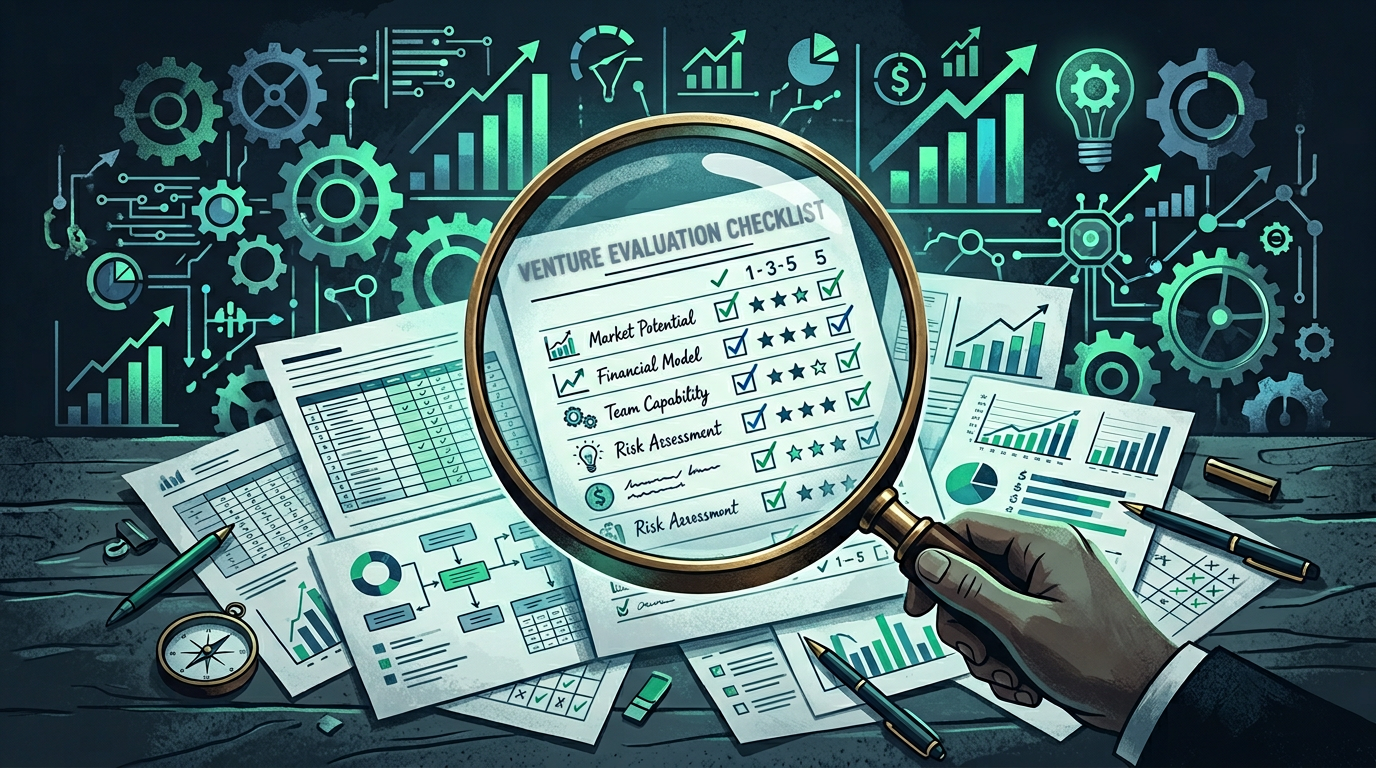 Investor education15 min read
How venture investors evaluate opportunities—and what private allocators can borrow
Pattern recognition matters, but underneath is a repeatable stack: market, team, traction, and terms. The same scaffolding helps underwrite sponsor-led deals—even when the metrics are not ARR.
Read article Industry15 min read
The state of nuclear: why capital is re-engaging—and what diligence still has to prove
Policy tailwinds, security of supply, and advanced reactor designs have renewed investor attention. The open question remains whether project timelines and returns compensate for construction and regulatory risk.
Read article Investor education12 min read
How to think about investing in the Internet of Things (without mistaking hype for durability)
IoT is an enabling layer—sensors, connectivity, and software—often embedded inside industrial, logistics, and real estate strategies rather than sold as a standalone ticker.
Read article Investor education11 min read
Are you an accredited investor—and why platforms ask before you invest
Accreditation is a regulatory concept in the United States, not a score of investing skill. Here is how to think about it calmly—and when to call counsel.
Read article Investor education13 min read
Private investments during a recession: discipline beats bravado
Downturns reorder liquidity and psychology before they reorder the need for housing, power, or credit. A process-driven allocator can stay in the game without pretending risk vanished.
Read article Investor education12 min read
Why great companies are often shaped in hard macro years (without mistaking history for a strategy)
Scarcity forces focus. The right lesson from recession-era origin stories is not that downturns are “good,” but that disciplined teams can still build when capital is selective.
Read article Investor education14 min read
How to assess a founder when you are not a full-time venture investor
You cannot diligence every hour inside a company—so focus on decision quality, reference depth, and how leadership behaves when plans miss.
Read article Investor education13 min read
How to measure traction that still matters after the hype cycle cools
Vanity metrics peak early. Durable traction shows up in cohorts, margins, retention, and repeat behavior—whether the product is software or a physical asset.
Read article Investor education14 min read
How to evaluate a market without drowning in TAM slides
Big numbers are easy to print. Plausible share, pricing power, and regulatory reality are harder—and they decide whether returns are fundable.
Read article Investor education22 min read
What is venture capital, how VC funds work, and how it differs from other private capital
A plain-English tour of the VC model: who puts up the money, how portfolios are built, how managers get paid, and why a few outliers often drive most of the returns.
Read article Investor education14 min read
Year-end tax planning for investors: questions worth asking your CPA (not the internet)
Deadlines concentrate decisions. Before moving money for “tax reasons,” separate facts from folklore—and build a short list for a qualified professional.
Read article Investor education13 min read
Diversification: why even concentrated venture portfolios spread risk on purpose
Concentration creates legends; diversification creates survival. The VC industry’s portfolio habit is a lesson in humility about prediction—not a guarantee of returns.
Read article Investor education12 min read
How many private deals should your portfolio hold? A framework instead of a magic number
The right count depends on minimums, monitoring bandwidth, and how many independent risk factors you truly own—not on a rule you read on social media.
Read article